

Help Keep Bears Wild This Spring
Press release.
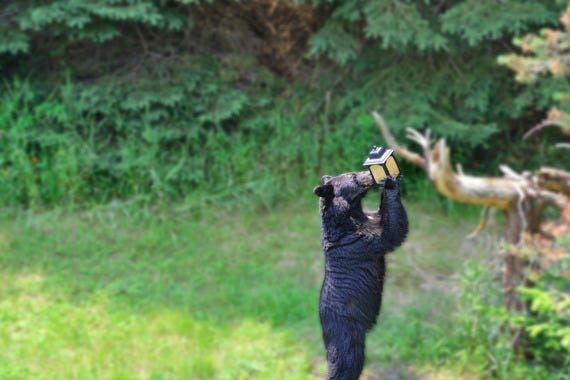
MOUNT DESERT ISLAND REGION—Spring in Maine doesn’t just wake the landscape—it rouses black bears from their winter slumber with empty stomachs and no patience.
After months in their winter dens, black bears emerge with a ravenous appetite—think hungrier than a teenager after a full day outdoors with nothing but a granola bar. Natural food is still limited in early spring, so bears are actively roaming and looking for the easiest calories they can find. Unfortunately, that can include backyards, bird feeders, grills, and trash cans.
During winter, bears enter a state of torpor, which slows their metabolism dramatically. Their heart rate drops to just 8–21 beats per minute, and they may breathe only once every 15–45 seconds. Even in this low-energy state, they still lose significant body fat. Unlike true hibernators, bears don’t eat, drink, or eliminate waste during this entire period. So when they roll out of their dens in spring, they’re working to get their systems back online while urgently searching for food.
That recovery period lasts about two to three weeks, when bears are especially motivated to seek out easy meals. A few simple steps now can make a big difference in preventing unwanted visits—and keeping both people and bears safe.
Simple steps to prevent unwanted encounters:
Remove birdfeeders between April 1st and November 1st
Rake up unused bird seed from the ground
Keep pet food and trash inside or in fenced areas
Clean grills thoroughly after use
Store garbage cans in a building or enclosed by electric fence
Take garbage cans to curb on morning of pickup
Keep outbuilding and garage doors closed at all times and repair broken window and doors
Keep dumpster lids and doors closed and latched
Use bear-resistant dumpsters or garbage cans